Programming
Gameplay systems, player mechanics, AI, interactions, tools and other technical implementation.
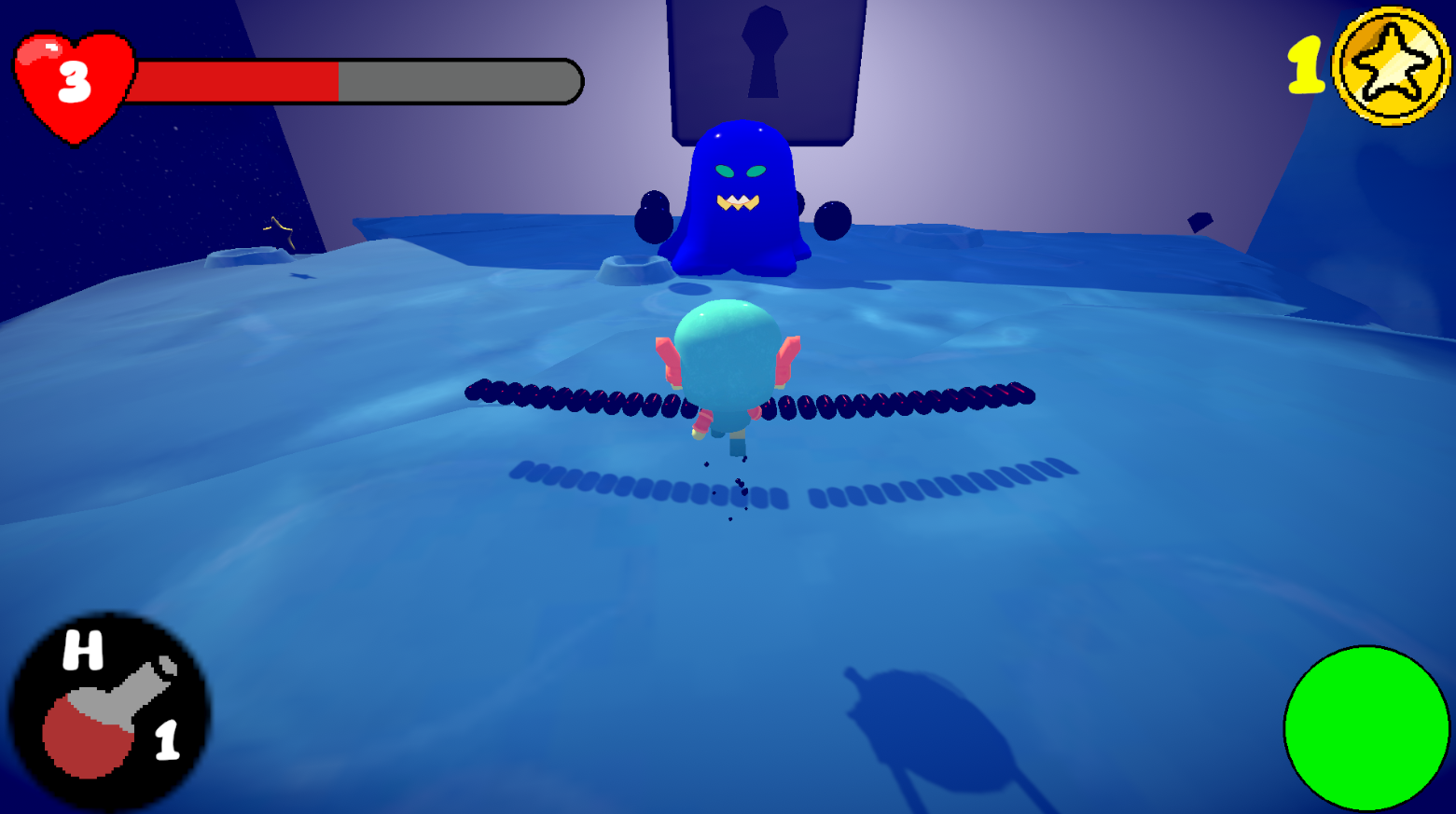
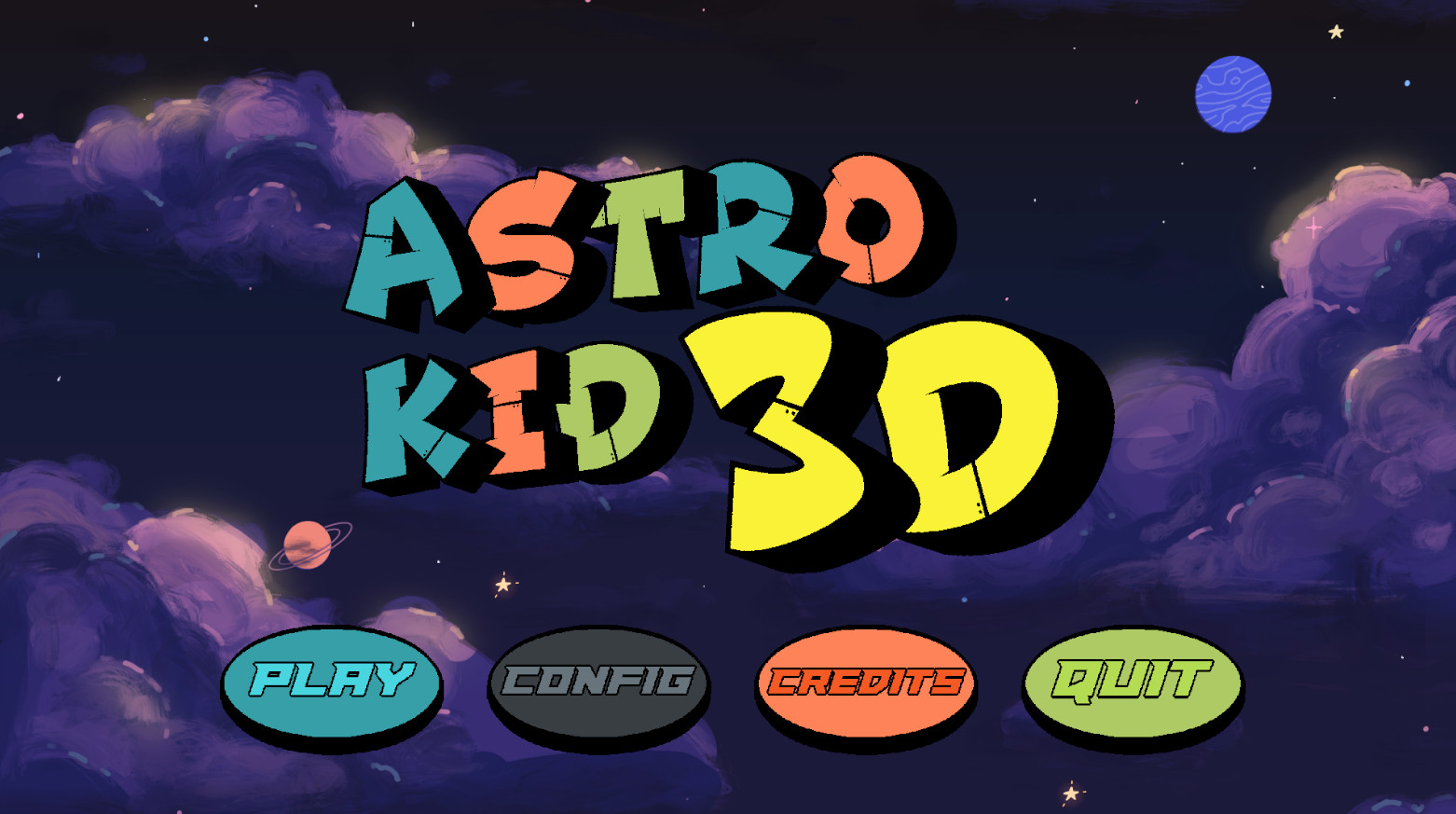
AstroKid3D was my final game on the Unity Engine course, and it encapsulates everything I learned as well as new 3D mechanics and features. It was my biggest project until my new original games in development.
01 — OVERVIEW
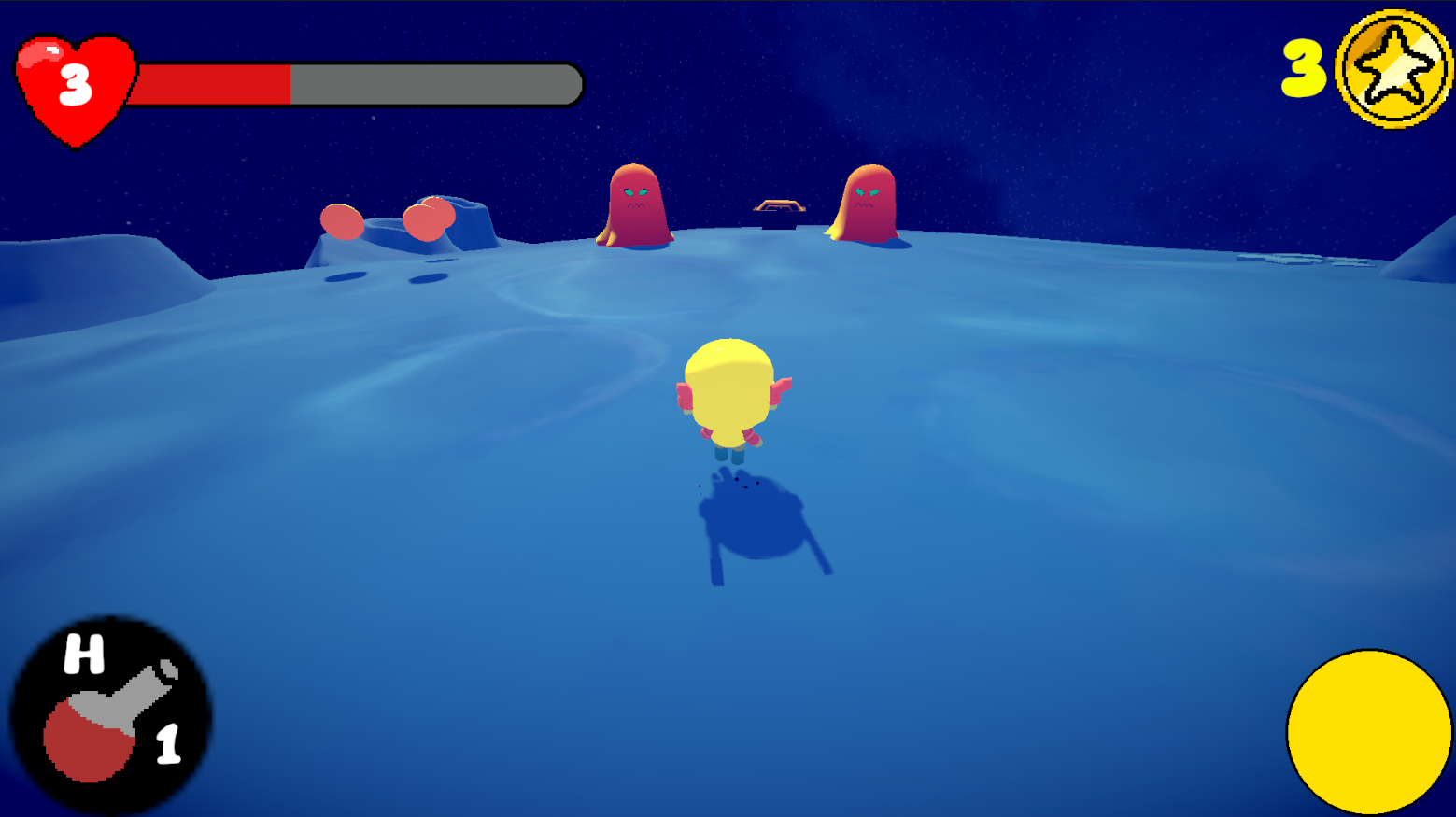
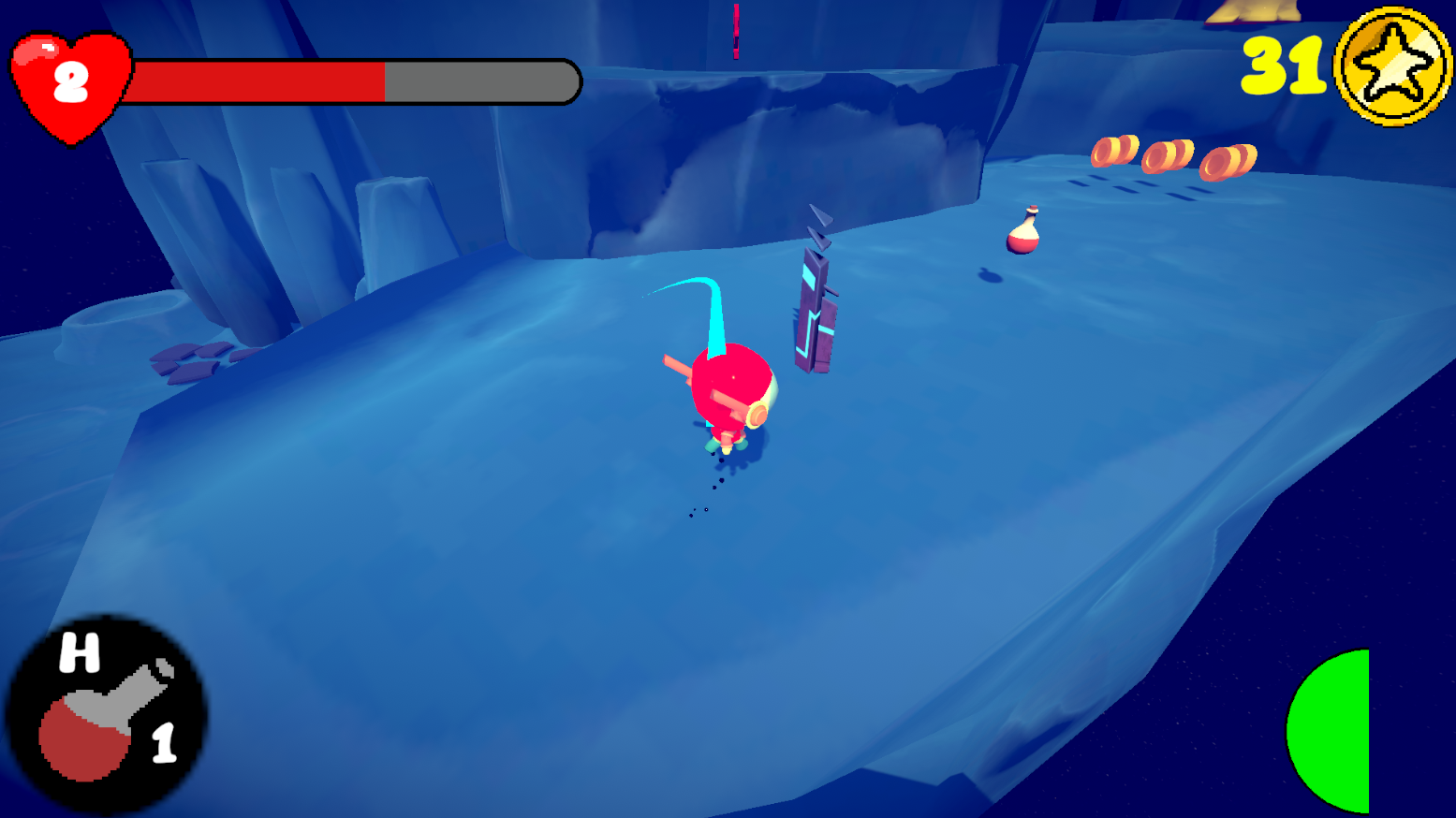
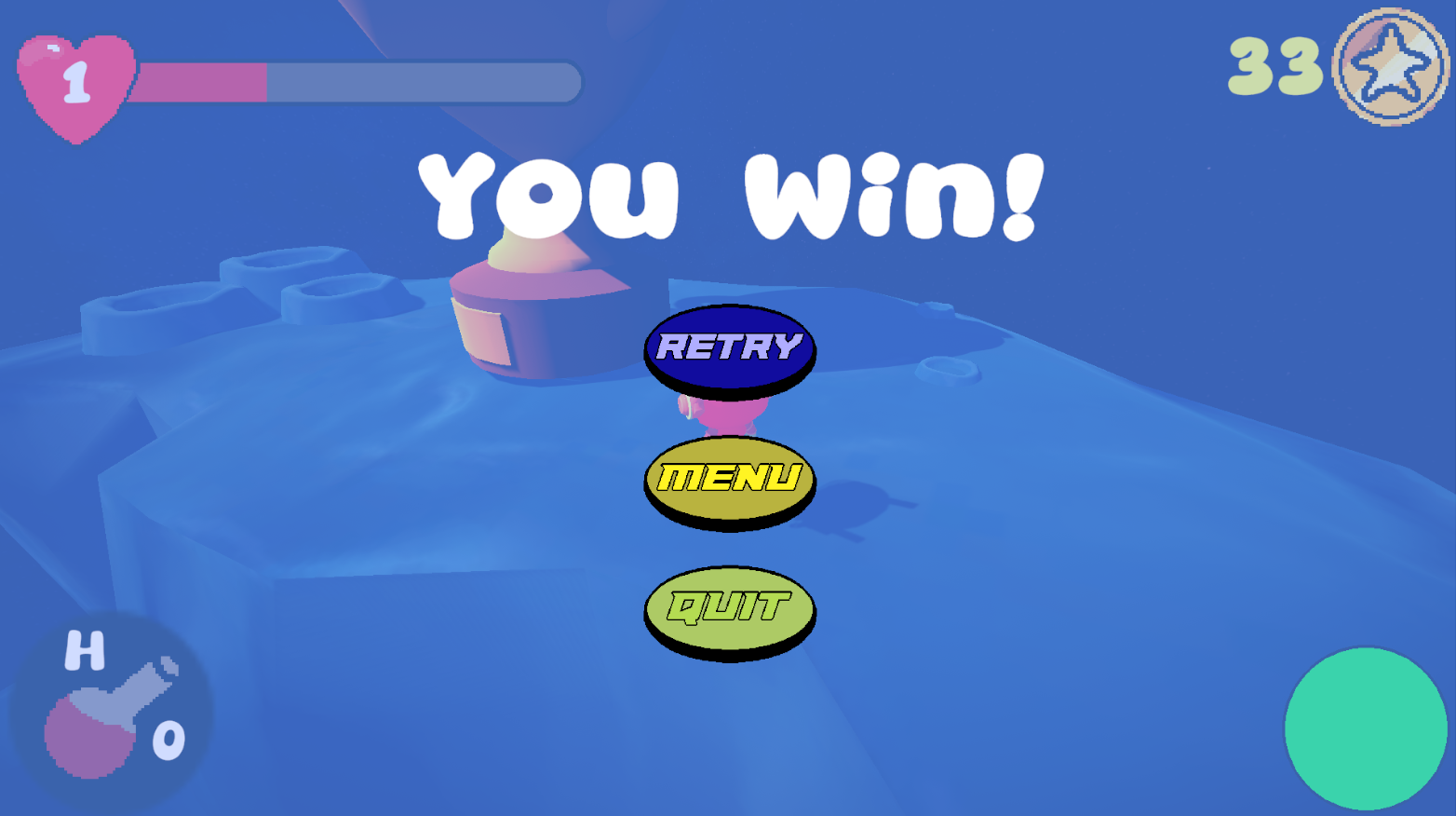
AstroKid3D is a short adventure game inspired by something close to a level from Super Mario 3D World. This was my final project for the Unity Engine course at EBAC, and it really shows how much I improved throughout the course. AstroKid3D made me work on different systems such as power-ups, different types of guns, different types of enemies, environmental behavior, and even a simple boss fight mechanic. This project was really the culmination of everything I learned, and it only made me more excited to make my own games, now with my own art and ideas.
As my final farewell to the course, I really think it was a great ending to that segment of my journey. Even though, looking back at it now, I almost feel compelled to go back and change so many things that I would do differently today. Maybe eventually I'll revisit it and polish it with everything I've learned since finishing it.
02 — MY WORK
Gameplay systems, player mechanics, AI, interactions, tools and other technical implementation.
Balancing, player experience and design iteration.
Interface layouts, usability, HUD design, menus and visual communication.
Music, sound effects, audio feedback and implementation when applicable.
Pixelart used in all the UIs, collectibles and other assets.
Playtesting, bug fixing, iteration and improving the final gameplay experience.
03 — SHOWCASE
04 — MEDIA
05 — DEVELOPMENT
At first, the focus was on setting up the environment and the art provided by the school. Then, I focused on player movement and abilities such as jumping and shooting.
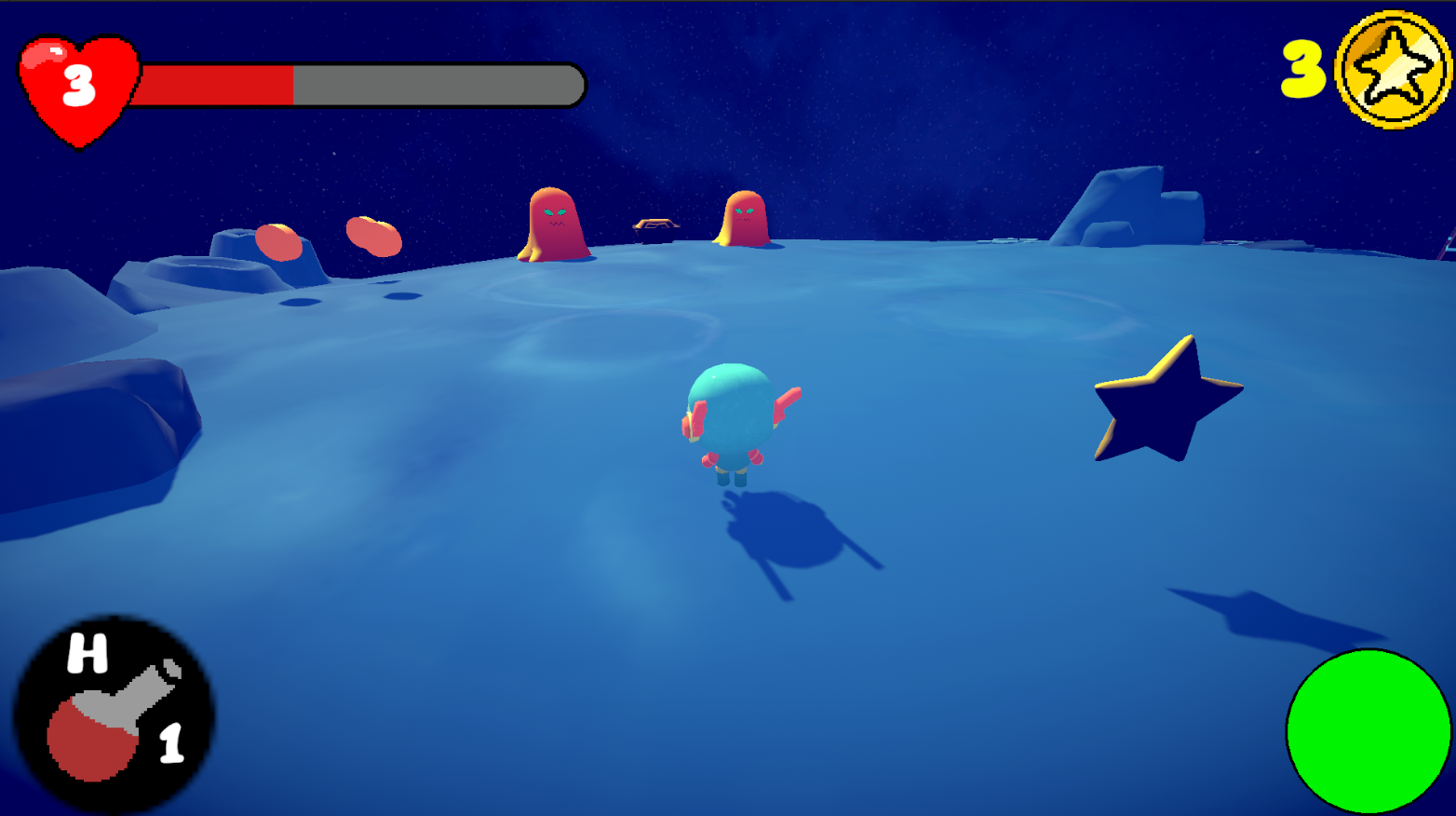
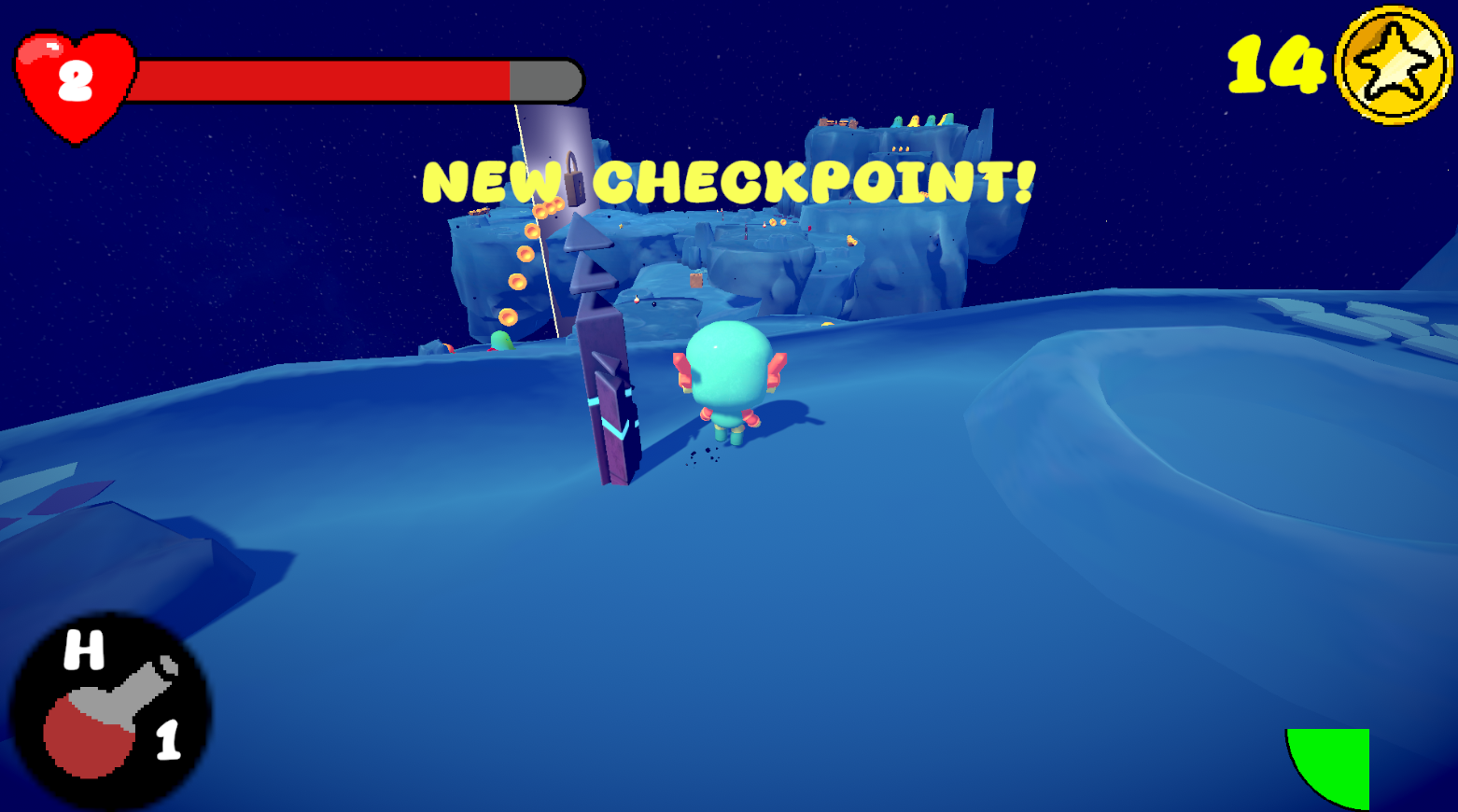
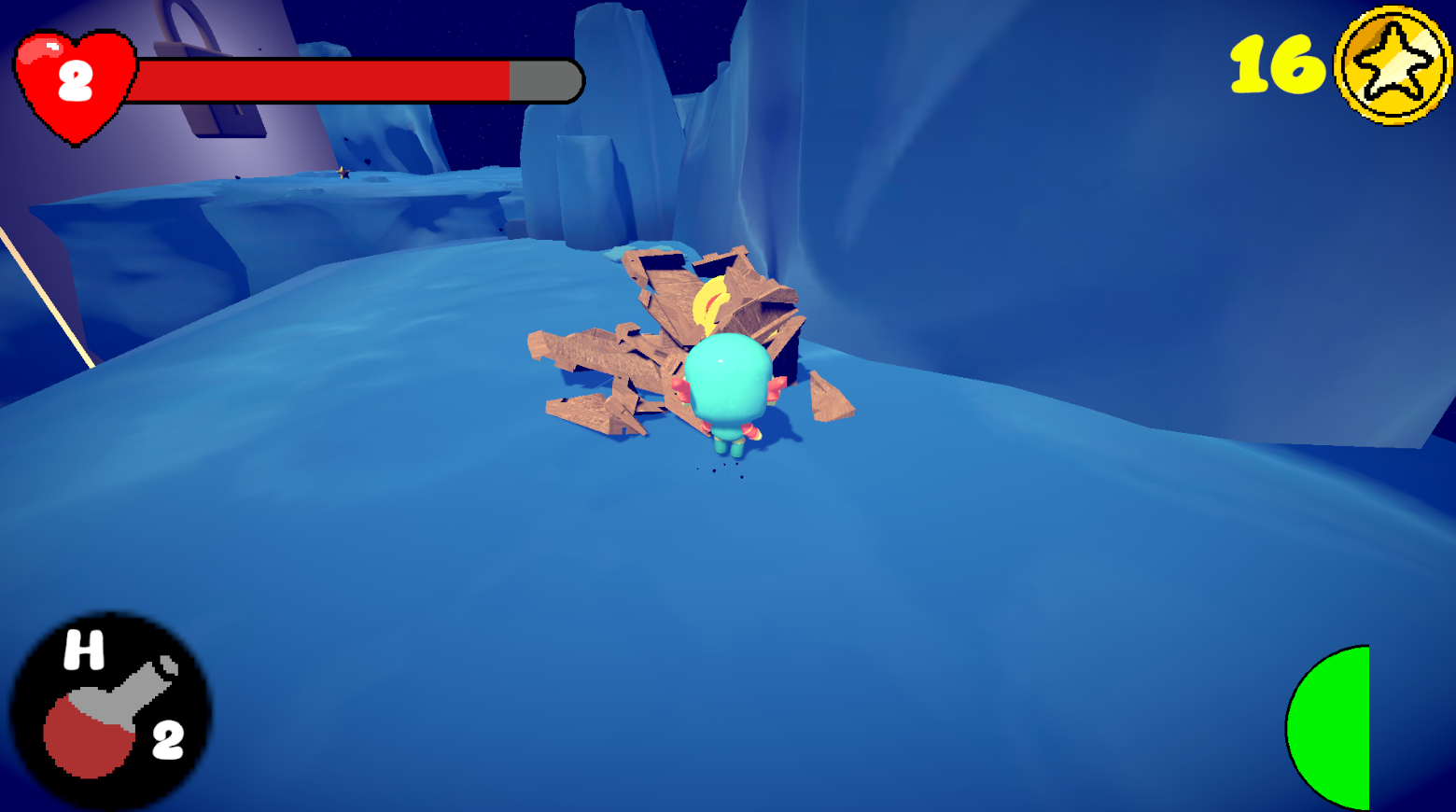
After implementing the core gameplay of AstroKid3D, the focus was on adding enemies, collectibles, a working camera system, and an endpoint.
After the core gameplay cycle was implemented, it was time to improve the player experience even further by adding different enemies, an interactive environment, power-ups, and a boss fight.
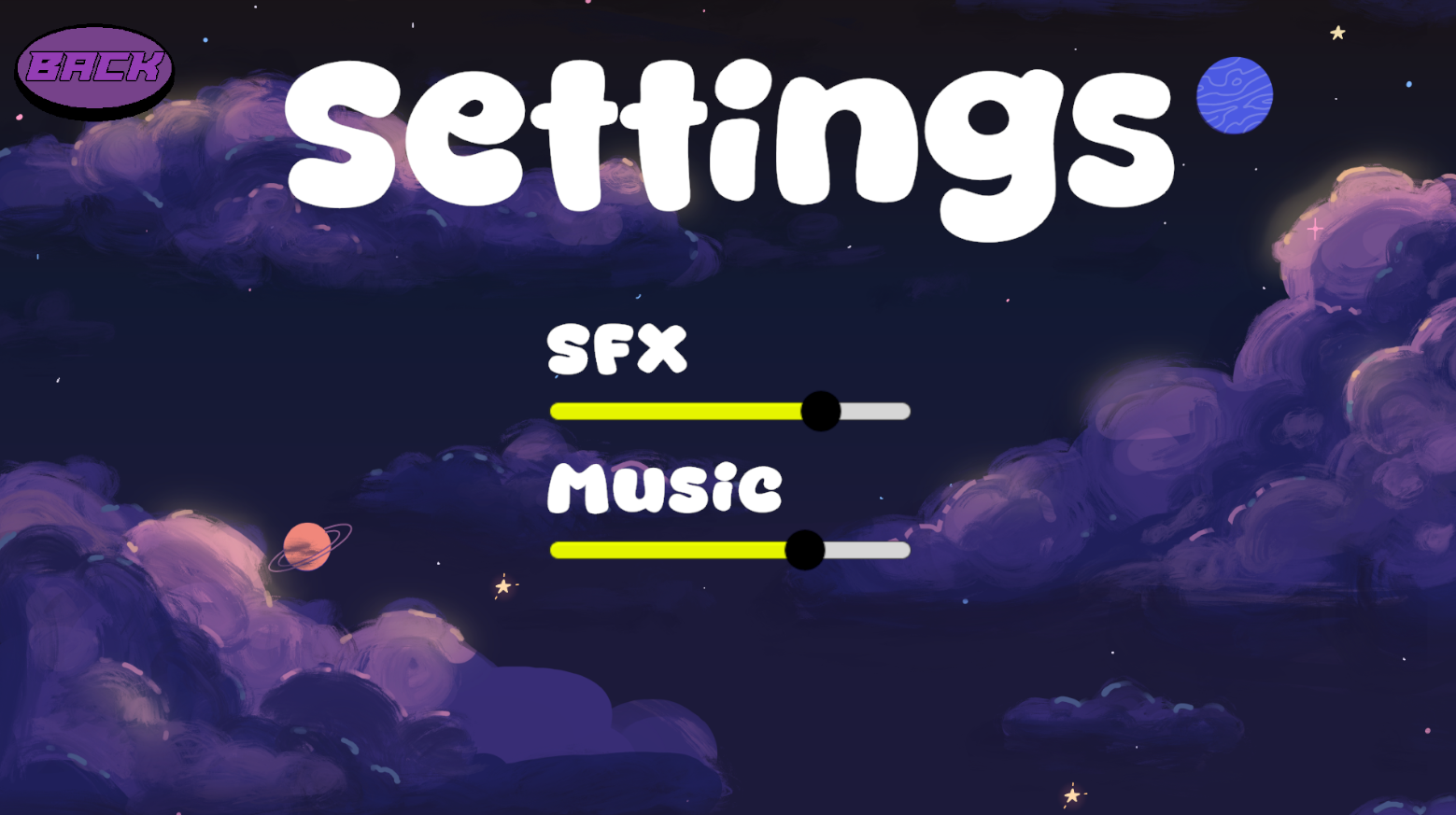
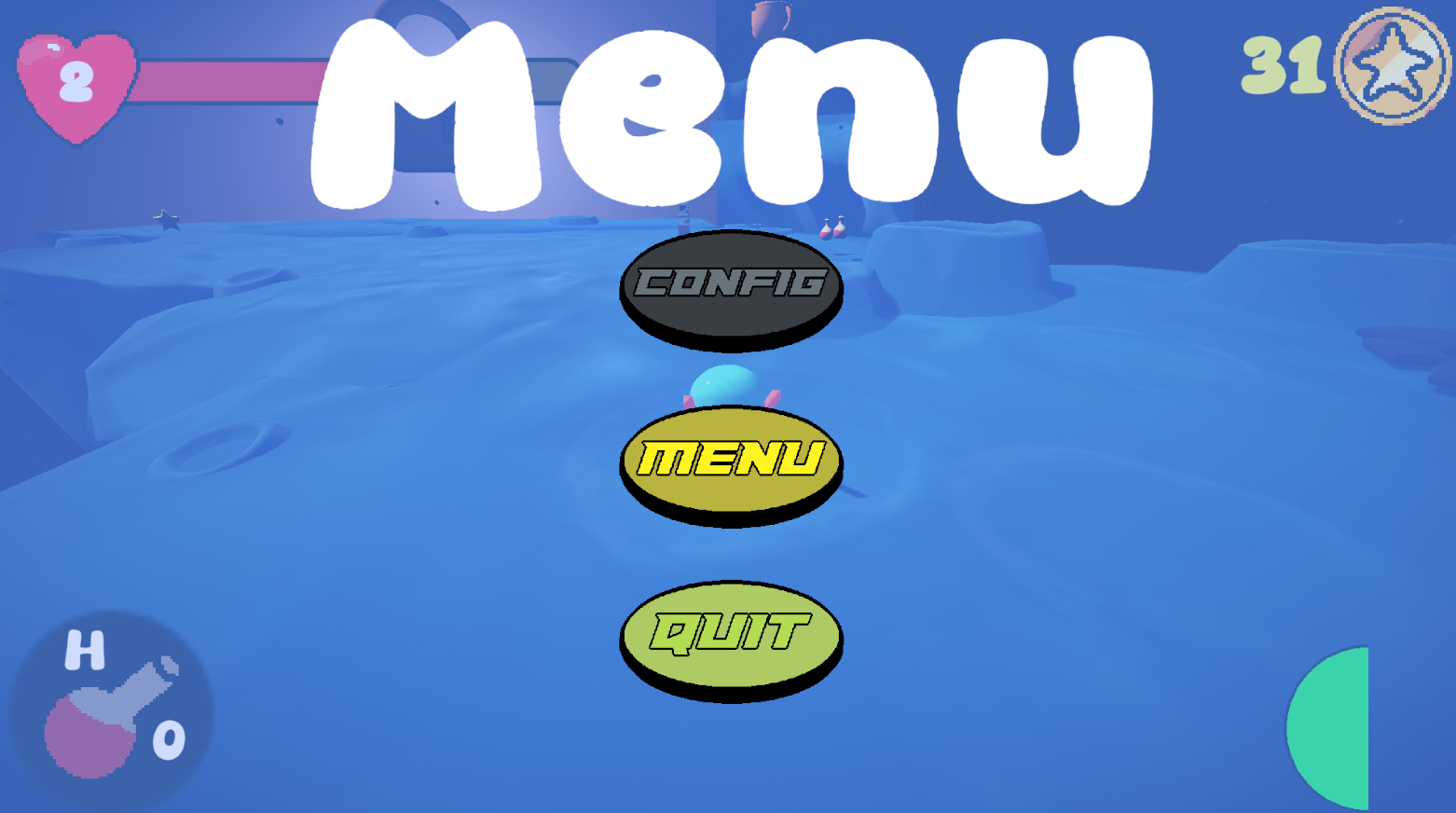
After all the mechanics were implemented, I felt it was time to add VFX, SFX, music, and a better UI and menu.
After everything fell into place, it was time to polish everything, organize the project, improve the animations, make the enemies more responsive, and make the character movement and camera feel cleaner.
After everything was finished, I started testing multiple player actions by myself. It was a long process, and even though I still think the game has a lot that could be improved, it was really relieving to see everything working out as I had originally planned.
06 — TECHNOLOGY
07 — DEV COMMENTS
This section is for personal development notes, thoughts behind specific design decisions, technical challenges and lessons learned while making the game.
This was, by far, the hardest game to develop out of the four projects I made during the course. Working with 3D elements for the first time made everything feel much more complicated, especially when I had to understand how the code, physics, animations and the assets all worked together. There were a lot of moments where I felt completely lost, but I think that was also what made this project so important to me.
One of the biggest challenges was getting used to how different everything felt compared to the 2D project and the semi-3D mobile project I had already worked on. Things that seemed simple on paper, like making the player move correctly or getting enemies to behave the way I wanted, suddenly became much more complicated. I had to spend a lot of time testing things, breaking them, fixing them, and sometimes just starting over when my original approach wasn't working.
I also learned a lot from the parts of the game that didn't go exactly as planned. Looking back at the project now, there are definitely a lot of things I would approach differently, especially when it comes to organization, animations and some of the gameplay systems. At the time, though, I was mostly focused on making everything work, and that was already a huge challenge for me.
Even with all of that, I have a lot of affection for AstroKid3D. It was the first project where I really felt like I was starting to understand how all the different parts of game development could come together into one game. Finishing it was honestly one of the most satisfying moments of the course, and it made me want to keep making games even more.